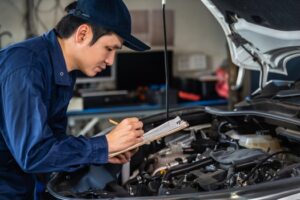
At Miller Brothers Auto Repair and Collision Center, technicians can inspect the vehicle beyond the visible damage. A careful post-accident evaluation helps determine whether the impact affected the wheels, suspension, steering components, or vehicle structure.
How an Accident Can Change Wheel Alignment
Your wheels sit at specific angles designed by the vehicle manufacturer. These angles help the tires maintain proper contact with the road while the vehicle travels straight or turns.
An impact can change those angles even when a wheel does not look damaged. Hitting another vehicle, a curb, or an object can place force on suspension and steering parts.
That is why alignment checks often belong within professional collision repair. Technicians need to understand what moved during the impact before deciding what needs adjustment or repair.
The three primary alignment angles include:
- Camber: The inward or outward tilt of the tire when viewed from the front.
- Toe: The direction the tires point compared with each other.
- Caster: The angle of the steering axis that affects stability and steering return.
Small changes can make a noticeable difference. A vehicle may still drive, yet its tires and suspension can experience added stress.
Signs You May Need a Wheel Alignment After Accident Damage
Some alignment problems appear immediately. Others develop gradually as you continue driving.
Watch for symptoms such as:
- The vehicle pulls toward one side.
- The steering wheel sits off-center while driving straight.
- Tires begin wearing unevenly.
- Steering feels loose or less predictable.
- The vehicle wanders at highway speeds.
- You notice vibration through the steering wheel.
- The vehicle no longer feels stable when turning.
These symptoms can indicate alignment trouble, but they can also point to damaged suspension or steering parts. That is why professional diagnosis matters.
Choosing the right auto body shop can make a major difference after a collision. The shop should evaluate how the accident affected the complete vehicle instead of focusing only on damaged exterior panels.
Why Alignment Is Part of a Complete Post-Accident Inspection
A crash transfers energy through the vehicle. The point you see on the outside does not always show how far that energy traveled underneath.
For example, a damaged wheel may place stress on a control arm, tie rod, strut, steering knuckle, or other suspension component. Proper alignment cannot correct a bent part.
Technicians in Knoxville TN should inspect these components before making adjustments. Otherwise, the vehicle could leave the shop with alignment measurements that do not stay within specification.
Alignment also connects closely with long-term car maintenance. Correct wheel angles can help tires wear evenly and reduce unnecessary stress on steering and suspension components.
A professional inspection can help determine whether the vehicle needs:
- Suspension repairs
- Steering repairs
- Wheel or tire replacement
- Structural measurements
- Alignment adjustments
- Road testing after repairs
At Miller Brothers Auto Repair and Collision Center, post-collision repairs can involve several connected steps. Looking at the complete vehicle helps technicians identify problems that cosmetic repairs alone might miss.
Wheel Alignment and the Auto Repair Process
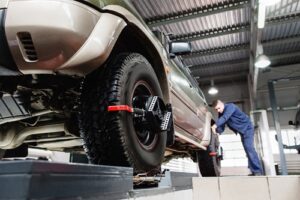 Alignment should happen at the correct stage of the auto repair process. Technicians usually need to repair damaged structural, suspension, steering, or wheel components before completing the final alignment.
If a shop aligns the wheels first and replaces a suspension component later, the wheel angles may change again. Proper repair order saves time and helps produce accurate results.
Technicians may use computerized alignment equipment to compare current measurements with manufacturer specifications. They then make adjustments when the vehicle’s components allow them to do so.
Afterward, a road test can help confirm that the steering wheel remains centered and the vehicle tracks correctly.
Why Tire Wear Can Reveal Hidden Problems
Uneven tire wear can provide clues about alignment trouble. However, damage may not appear on a tire immediately after an accident.
For example, incorrect toe settings can gradually scrub the tread as the vehicle travels. Camber problems may cause greater wear along one edge of the tire.
Waiting too long can turn a correctable alignment problem into the added expense of replacing tires. Early inspection is especially important when the vehicle starts pulling or feels different after the collision.
When choosing an auto repair shop in Knoxville TN, ask whether technicians inspect steering and suspension conditions before performing an alignment. Accurate measurements work best when the parts holding the wheels in position remain structurally sound.
Cosmetic Repairs and Mechanical Damage Are Different
Visible dents often receive the most attention after an accident. However, restoring the body does not automatically correct mechanical changes caused by the impact.
An auto dent removal service can restore certain exterior areas when the type and location of the damage allow it. However, technicians should still inspect how the collision affected nearby wheels, suspension parts, and structural components.
A vehicle may look excellent while still pulling to one side. That is why final mechanical checks remain important before the repair is considered complete.
What Drivers Should Check Before Picking Up Their Vehicle
Before leaving the auto repair facility, pay attention to how the vehicle feels and ask what technicians inspected. You should understand whether alignment measurements were necessary and whether any related parts required repair.
During the first drive, notice whether:
- The steering wheel stays centered.
- The vehicle travels straight without constant correction.
- Steering feels stable while turning.
- No unusual vibration appears.
- The vehicle feels similar to how it drove before the accident.
If something feels wrong, report it promptly. A change in handling deserves attention rather than waiting for excessive tire wear or another symptom to develop.
A Customer’s Experience
Quality repairs involve more than equipment. Good communication and personal service can also shape the experience drivers have when dealing with unexpected vehicle damage.
Great people! Great service! Great prices! Above average repairs with below average prices! From the techs to the owners! Amazing service with the personal touch! RECOMMENDED!!!
Protect Your Vehicle After Collision Repairs
Correct alignment helps your tires meet the road as intended and allows your steering and suspension systems to work together correctly. After an accident, checking alignment can also help uncover damage that might otherwise remain unnoticed.
Do not assume that a vehicle is mechanically correct simply because the exterior looks repaired. Pay attention to pulling, uneven tire wear, steering changes, and unusual handling.
Miller Brothers Auto Repair and Collision Center can inspect your vehicle after an accident and determine what repairs are needed to restore proper operation. Call now to schedule an inspection and make sure your vehicle is ready for the road again.
Like our Facebook page for more great info about auto services.
Miller Brothers Auto Repair and Collision Center
7123 Tazewell Pike
Corryton, TN 37721
(865) 689-5072
https://www.millerbrosautorepair.com/
Serving Knoxville, TN and Knox County
Service areas include: All of Knox County, Corryton, Fountain City, Halls Crossroads, Powell and Knoxville