
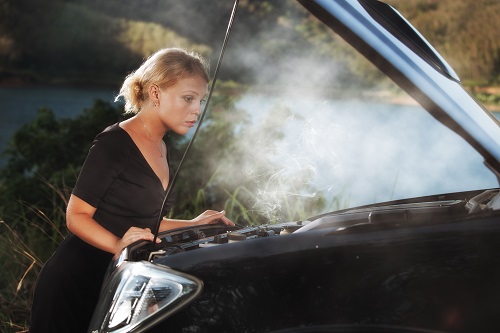
As the summer temperatures rise, it’s essential to ensure that your car’s engine stays cool and doesn’t overheat. Excessive heat can lead to costly repairs and disrupt your plans. Don’t wait for the temperature warning light to come on. Follow these auto repair tips to understand the causes of engine overheating, learn what to do if it happens to you, and take preventive measures to keep your engine cool throughout the summer.
UNDERSTANDING ENGINE OVERHEATING
Every engine has an optimal temperature range for optimal performance. When the engine gets too hot, it can lead to various issues and damage to engine components. It’s crucial to identify the causes of overheating and address them promptly.
COMMON CAUSES
Hot weather contributes to engine overheating, but it’s not the only one. Low coolant levels, cooling system leaks, a failing thermostat or water pump issues can all lead to engine overheating. If you notice steam coming from under the hood or your temperature gauge steadily rising, it’s important to take action immediately.
Auto Repair Tips: What To Do When Your Engine Overheats
If you’re driving and your engine starts to overheat, follow these steps:
Turn off the air conditioning: This reduces the strain on your engine and helps regulate its temperature.
Crank the heater and fan up to full blast: Although counterintuitive, this action helps transfer heat away from the engine, allowing it to cool down.
Top off the coolant cooling system: Add antifreeze or water to the cooling system to cool things off temporarily. Remember to handle the radiator cap with caution due to the pressure and hot water it contains.
Rev the engine: If you’re stuck in traffic or at a stoplight, put the car in park or neutral and bring the engine up to 1500 RPM. This helps move air and water through the radiator. Avoid using the brake pedal to allow continuous airflow.
Pull over: If the temperature gauge still rises, it’s time to pull over and contact a tow truck. Let the engine cool for at least 30 minutes before attempting any repairs. Have your vehicle towed to a mechanic for further assessment and car repairs.
 THE DANGERS OF DRIVING WITH AN OVERHEATED ENGINE
Driving with an overheated engine can result in severe consequences, such as expensive head gasket repairs or a seized motor. It’s crucial to stop driving and have your vehicle towed to a mechanic for immediate attention.
PREVENTION IS KEY
To avoid being stranded with an overheated engine, take preventive measures:
Be prepared: Keep coolant and distilled water or pre-mixed coolant in your emergency road kit.
Check coolant level: Regularly check your coolant/antifreeze level and ensure you use the right mixture as specified in your owner’s manual.
Monitor the temperature gauge: Pay attention to your temperature gauge while driving. If it begins to rise, take action using the steps outlined above to cool your engine down.
Fix leaks: If you notice any antifreeze leaks, have them diagnosed and repaired promptly by a mechanic.
Contact Miller Brothers Transmission Auto Repair and Body Shop now if you’re searching for a reliable auto shop in your area.
Like our Facebook page for more great info about auto services.
Miller Brothers Transmission Auto Repair and Body Shop
7123 Tazewell Pike
Corryton, TN 37721
(865) 689-5072
https://www.millerbrosautorepair.com/
Serving Knoxville, TN and Knox County
Service areas include: All of Knox County, Corryton, Fountain City, Halls Crossroads, Powell and Knoxville

 We all see these collisions at Miller Brothers Transmission Auto Repair and Body Shop – a parent dropping off their child and their front end getting slammed, rear-end collisions when backing out of a crowded parking area, or the many car accidents that occur in the busy downtown. The damage is visible in the form of a scratched back bumper, an uprooted side mirror, a smashed door panel, or a damaged fender. Most damaged vehicles need to be painted.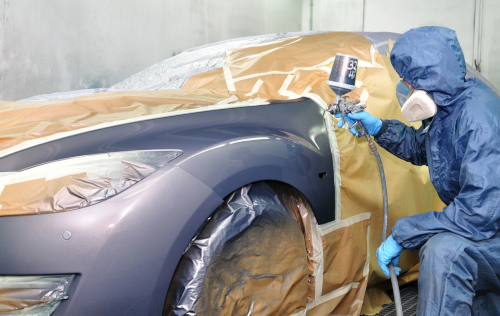
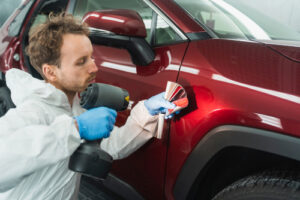 When you entrust your vehicle to our
  Questions to ask an auto body paint shop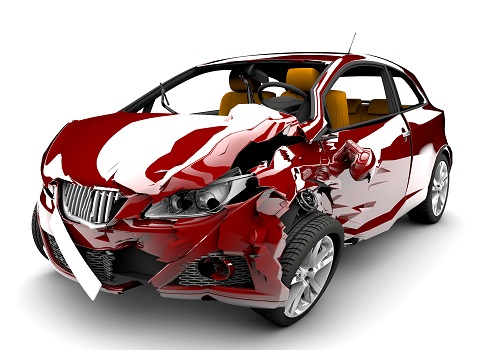
 Miller Brothers Transmission Auto Repair and Body Shop are equipped with the most advanced equipment and a team of experts that can repair frame damage efficiently, no matter how severe the damage is. Mechanical damage includes damage to wheels, transmission axles and gearboxes, suspension systems, and other parts of the engine. This often requires precision collision repair. A professional team of
 Tires Require Near Constant Monitoring
 3. Keep Coolant flowing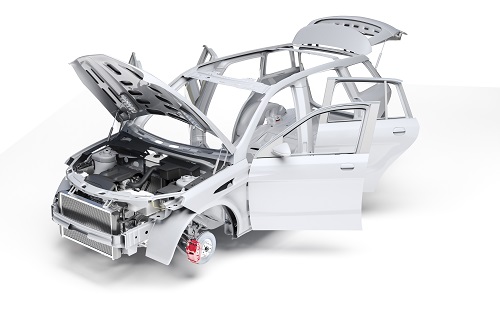
 We can begin removing damaged body parts after we have discussed the problem with you and made a diagnosis. Some of the body pieces that can be removed are bumpers, hoods, and grilles. Trim, fenders, and trims may also need to be removed. Our